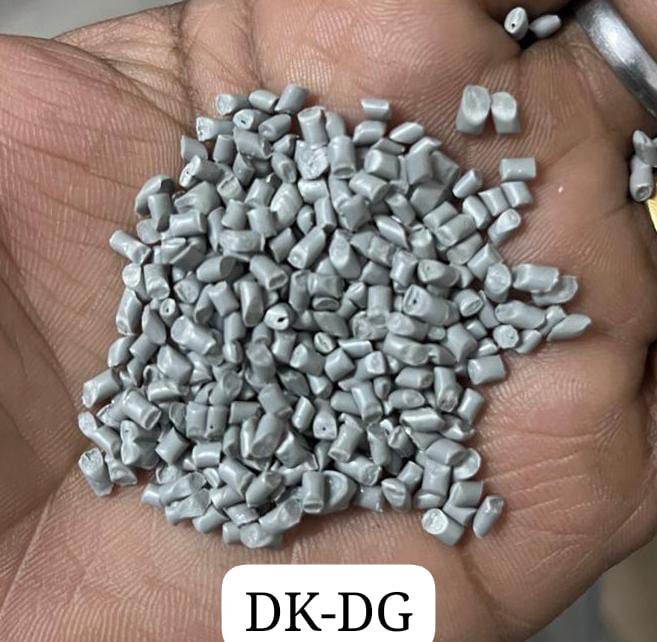
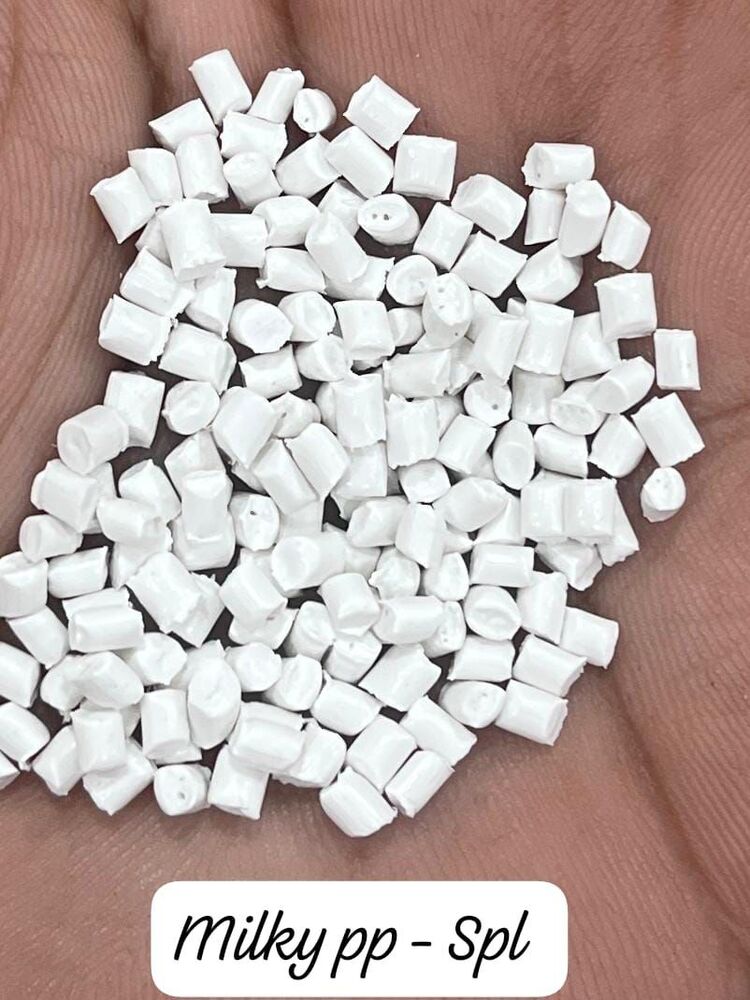
About PP Granules Grey
PP Grey is a polypropylene material in pellet form with a grey color It is commonly used in the production of automotive parts household items and industrial components This material offers good strength impact resistance and chemical stability suitable for molding and extrusion processes
Superior Processing and VersatilityPP Granules Grey offer outstanding processability, making them a preferred choice for injection molding and various industrial applications. Their robustness and adaptable melt flow index allow manufacturers to optimize processing conditions based on application needs.
Durability and StrengthFormulated for industrial-grade applications, these granules provide notable tensile strength (25-35 MPa) and maintain integrity under high heat deflection temperatures, making the final products highly durable in demanding environments.
Sustainability and Storage EfficiencyWith high recyclability and a composition free from persistent odors, these granules support environmentally responsible production. Proper storage in cool, dry conditions ensures sustained material quality over time.
FAQ's of PP Granules Grey:
Q: How should PP Granules Grey be stored to maintain their quality?
A: PP Granules Grey should be stored in a cool, dry area away from direct sunlight to ensure they retain their low moisture content and high processability.
Q: What are the primary industrial applications of these PP granules?
A: These granules are commonly used in injection molding for automotive parts, household items, containers, and packaging due to their durability and chemical resistance.
Q: When is it recommended to use the Injection Molding Grade for production?
A: The Injection Molding Grade is best utilized when manufacturing products that require precise strength, good impact resistance, and consistent quality, such as automotive or consumer goods.
Q: Where are PP Granules Grey typically supplied and manufactured?
A: PP Granules Grey are manufactured and supplied in India, meeting the needs of industries across automotive, packaging, and household segments.
Q: What is the process for using these granules in production?
A: The granules are typically fed into an injection molding machine, where they are melted at 160-170C and formed into desired shapes under controlled pressure and temperature conditions.
Q: How does the high chemical resistance of these granules benefit end users?
A: High chemical resistance ensures that finished products withstand exposure to various chemicals, enhancing the longevity and reliability of items like containers and automotive parts.







 Send Inquiry


 Send Inquiry